
How Long Do Temporary Dental Crowns Last?
Aug 13, 2026
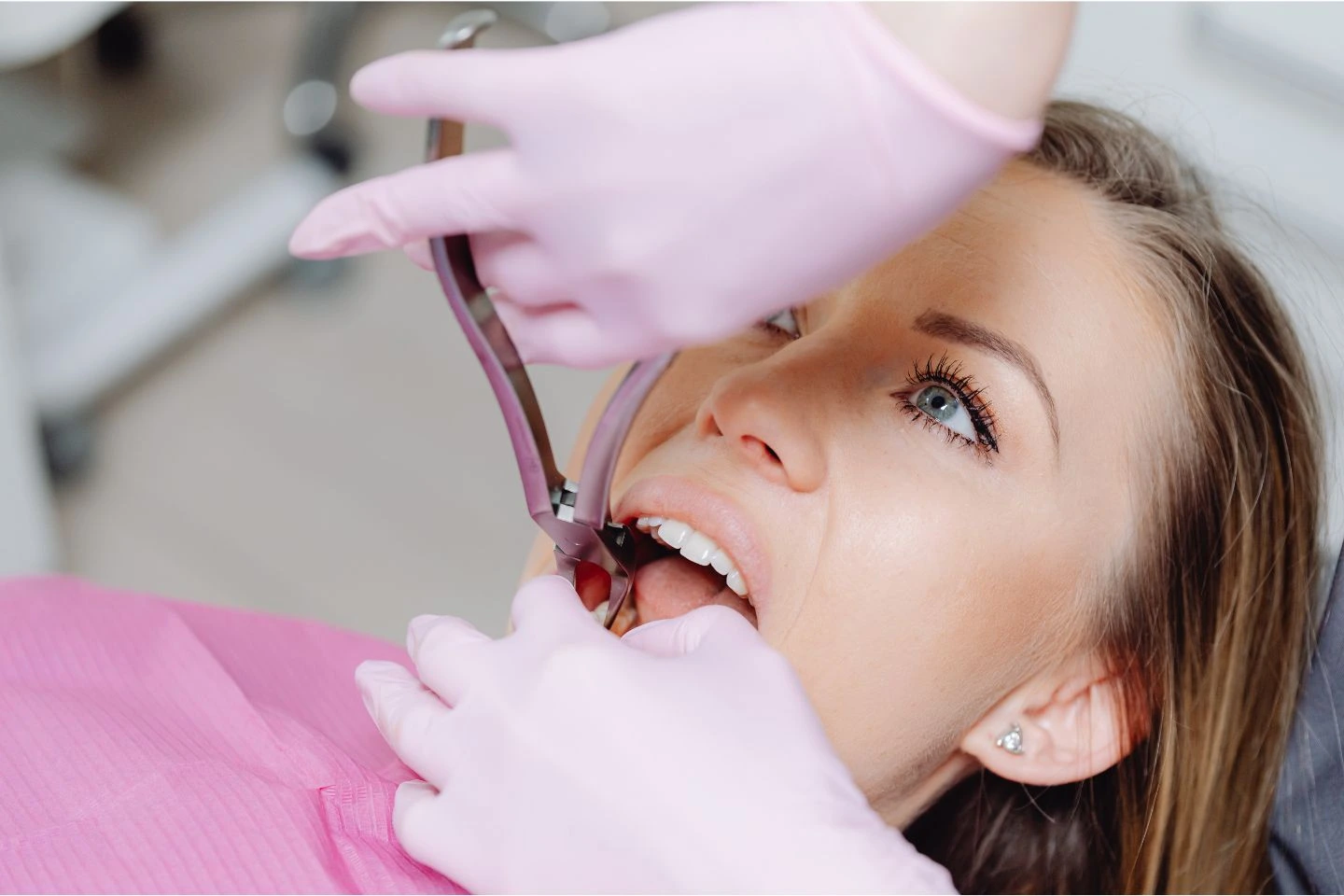
You just left the dentist with a brand new crown, except it's not really the final one. It's a temporary dental crown, sitting there while a lab somewhere crafts your permanent one. So naturally, the question pops into your head. How long is this thing actually supposed to last? Is it fine to eat normally? What happens if it feels loose next week? Let's go through all of it, since knowing what to expect makes this whole waiting period a lot less stressful.
What Exactly Is a Temporary Dental Crown For?
A temporary dental crown does one job really well. It protects a prepared tooth while your permanent crown is being made, which usually takes a couple of weeks depending on the dental lab. Without it, that tooth would be exposed, sensitive, and vulnerable to bacteria sneaking in around the edges. Temporary crowns are usually made from acrylic or a similar composite material, and while they're built to hold up for a short stretch, they're not designed with the same strength or durability as the permanent crown that comes after. Think placeholder, not finished product.
How Long Do Temporary Dental Crowns Last?
Most temporary crowns are meant to last somewhere between two and three weeks, which lines up with how long it typically takes for a permanent crown to come back from the lab. Some situations stretch that timeline a bit longer, maybe if there's a delay with the lab or if your dentist wants extra time to monitor how the tooth is healing. Either way, temporary crowns are not built for months of daily wear, and pushing that limit tends to raise the odds of something going wrong before your permanent crown is ready to go in.
What Happens If a Temporary Crown Stays in Too Long?
This is where patience really does matter. The cement used to hold a temporary crown in place is intentionally weaker than what's used for a permanent one, since it needs to come off easily later. Left in place for too long, that weaker bond can fail, letting saliva and bacteria work their way underneath. That can lead to decay forming on a tooth that's already been prepped and vulnerable, sometimes undoing work that was just completed. It's one of the main reasons dentists are pretty firm about scheduling that follow-up visit and not letting it slide.
Signs Your Temporary Crown Might Be Failing
A few things tend to show up if a temporary crown is starting to fail before its replacement is ready. You might notice it feels a little loose or shifts slightly when you bite down. Some people feel a rough edge that wasn't there before, or notice food getting stuck around the crown more than usual. Increased sensitivity to hot or cold, especially compared to how the tooth felt right after the temporary was placed, can also be a signal worth paying attention to. If any of this comes up, it is worth calling your dentist rather than waiting for the scheduled appointment.
How to Take Care of a Temporary Crown While You Wait
A little extra caution goes a long way here. Try to chew on the other side of your mouth when you can, especially with anything hard, sticky, or chewy that could pull the temporary loose. Flossing needs a slightly different approach too, since pulling floss straight up and out can sometimes dislodge a temporary crown. Instead, slide the floss out sideways rather than lifting it upward. Brushing normally is fine; just be gentle right around the crown itself. None of this needs to be complicated; it's mostly about not treating the temporary crown the same way you would a permanent one.
Temporary Versus Permanent Crowns: What's Actually Different?
Temporary crowns are made from softer materials like acrylic, which makes them easier and faster to shape chairside, but that same softness means they wear down faster and aren't as strong under pressure. Permanent crowns, whether they're made from porcelain, zirconia, or metal, are crafted in a lab to fit precisely and hold up to years of regular chewing. The color match tends to be better with a permanent crown too, since a lab has more time and tools to get the shade just right. Basically, everything about a temporary crown is built for a short window of time, while the permanent one is built to last.
What to Expect When Your Permanent Crown Is Placed
Once your permanent crown comes back from the lab, your dentist removes the temporary, cleans the tooth, and checks the fit of the new crown before cementing it into place. This appointment is usually quick and far less involved than the first visit where your tooth was originally prepared. Most people notice the permanent crown feels sturdier right away, and any lingering sensitivity from the temporary phase tends to fade pretty quickly once the final crown is properly seated.
Need a Temporary Crown Checked or Ready for Your Permanent One? Contact Dental Smile-Savers
If your temporary crown is starting to feel off, or you are just ready to get your permanent crown placed, the team at Dental Smile-Savers is here to help keep things on track. Reach out today to schedule your appointment and make sure your tooth stays protected every step of the way.
FAQs About Temporary Dental Crowns
Q: How long do temporary dental crowns typically last?
A: Most temporary crowns are designed to last around two to three weeks, matching the usual turnaround time for a permanent crown to be made.
Q: Can I eat normally with a temporary crown?
A: You can eat, but it is best to avoid hard, sticky, or very chewy foods on that side of your mouth to reduce the risk of the temporary crown loosening.
Q: What should I do if my temporary crown falls off?
A: Contact your dentist as soon as possible. Leaving the prepared tooth exposed for too long can increase the risk of sensitivity and bacteria getting into the area.
Q: Is it normal for a temporary crown to feel a little different than my other teeth?
A: Yes, some difference in feel is expected since temporary crowns are made from a softer material and are not shaped with the same precision as a permanent crown.
Q: Does a temporary crown need special cleaning?
A: Regular brushing is fine, though flossing should be done carefully, sliding the floss out sideways rather than pulling it straight up, to avoid dislodging the crown.
Schedule Your Visit!
*Full Name
*Phone Number
*Comments


LOCATION
2100 Bartow Avenue #218B
Bronx
NY 10475

HOURS
MON to FRI: 9AM - 5PM
SAT: 9AM - 2PM

Striving to offer superior dental care in a welcoming and comfortable ambiance – that's our promise at Dental Smile-Savers.


OVERVIEW
SERVICES
SUPPORT
Privacy Policy | © Dental Smile-Savers | Powered by Remedo