
Do Dental Crowns Need to Be Replaced? What to Know
Sep 20, 2026
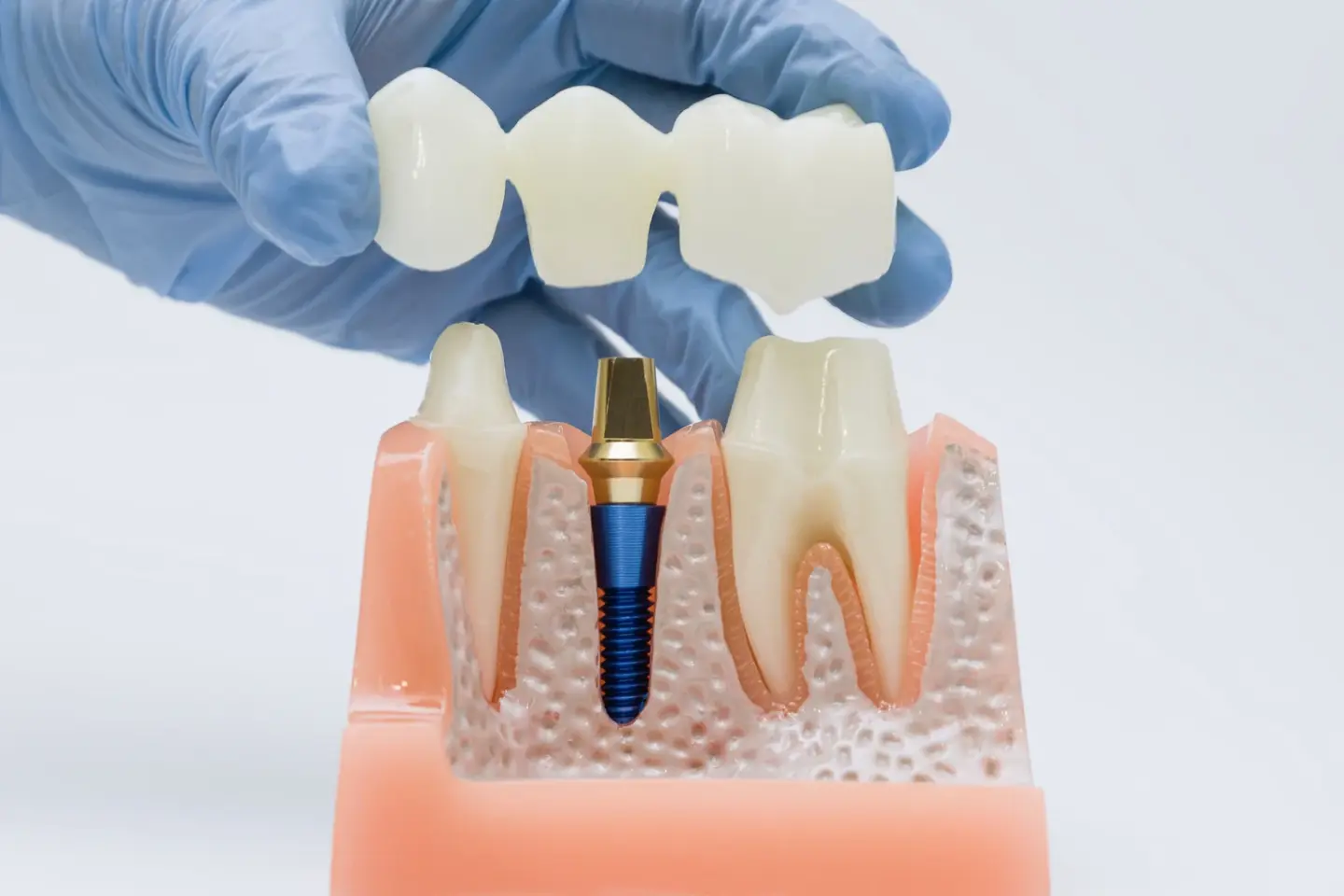
If you have had a dental crown for several years, it is reasonable to wonder whether it is meant to last indefinitely or whether it will eventually need attention. This comes up often during routine checkups, and the honest answer is that it depends on a combination of factors rather than one fixed timeline.
A crown is not something with a printed expiration date. How long yours holds up depends on the material it is made from, how it is cared for, and habits specific to you, such as whether you grind your teeth. This guide covers what typically affects crown lifespan, signs worth paying attention to, and what patients considering dental crowns in the Bronx can reasonably expect over time.
How Long Do Dental Crowns Typically Last?
Ten to fifteen years is the range most dentists point to, and it is a fair general benchmark. Plenty of crowns last well beyond that, while others may need attention sooner depending on the material used, how consistently the crown is cared for, and individual factors like grinding habits or overall oral hygiene.
No dentist can offer an exact lifespan for any individual crown, since too many variables are involved, from bite pattern to how the tooth underneath responds over the years. What tends to make the most difference is showing up for regular checkups, since that is generally how smaller issues get caught before they become more involved.
What Factors Determine Whether a Crown Needs to Be Replaced?
A handful of factors tend to play the biggest role in how long a crown holds up.
- The material the crown is made from, since some materials tend to be more durable than others
- Oral hygiene habits, including regular brushing, flossing, and dental visits
- Whether the patient grinds or clenches their teeth, which can place ongoing stress on a crown
- Diet, particularly habits like chewing ice or hard candy that can chip or crack a crown over time
- The condition of the tooth and gum tissue underneath the crown itself
Patients researching dental crowns in the Bronx often ask what is genuinely within their control here, and for the most part, it comes down to the basics: consistent hygiene, avoiding habits that place extra strain on the tooth, and keeping up with scheduled checkups.
Signs a Dental Crown May Need to Be Replaced
Not every issue with a crown is immediately obvious. Some signs are more subtle than others, but each is generally worth mentioning to a dentist rather than waiting to see if it resolves on its own.
Chips, Cracks, or Visible Wear
Years of daily use can lead to small chips or cracks, particularly if the crown has been exposed to grinding or biting down on hard foods. Even minor damage is worth having evaluated, since a small crack left unaddressed can sometimes worsen over time.
Ongoing Discomfort or Sensitivity
Mild sensitivity is not unusual when a crown is new, but persistent discomfort months or years later, especially with biting pressure or temperature changes, generally points to something that should be looked at.
A Crown That Feels Loose
A crown that feels like it is shifting or no longer sits as securely as it once did may indicate that the cement underneath has broken down, or that there is an underlying issue with the tooth. This is generally not something to wait out, since continued movement can allow bacteria to reach the tooth underneath.
Changes in the Surrounding Gum Tissue
Redness, swelling, or gum recession near a crown can sometimes indicate an issue worth addressing, whether it relates to the crown itself or to the health of the tissue and tooth around it.
Decay Developing Near the Crown Margin
The crown itself does not decay, but the natural tooth structure at the edges can still develop cavities. When decay forms at the margin where the crown meets the tooth, it can eventually compromise the fit and stability of the restoration.
What Happens If a Crown Needs to Be Replaced?
The process generally mirrors the original placement. The old crown is removed, the tooth underneath is evaluated and reshaped as needed, and a new crown is custom made to fit properly. In some cases, additional treatment such as a root canal may be recommended if the evaluation reveals a deeper issue. Every case is a little different, and the appropriate next step depends on what the dentist finds during the exam rather than something that can be determined ahead of time.
How Often Should Crowns Be Checked During Regular Visits?
Routine checkups, typically every six months, generally include an evaluation of any existing crowns as part of the overall exam. This gives a dentist the opportunity to catch early signs of wear, decay, or looseness before they become more significant. If something feels different between visits, whether that is new sensitivity or a shift in bite feel, it is worth mentioning rather than waiting for the next scheduled appointment.
Why Patients Trust Dental Smile-Savers for Crown Care in the Bronx
Crowns are meant to be a long term solution, and getting the most out of one generally comes down to consistent care and catching smaller issues before they grow into larger ones. At Dental Smile-Savers, our team takes the time during checkups to evaluate existing crowns closely, so patients are not caught off guard by something that could have been addressed earlier.
We would rather give patients an honest picture than a reassuring number that does not hold up in practice. Crown longevity depends on too many individual factors to promise a specific timeline, and being upfront about that tends to help patients make better informed decisions about their own care.
Schedule a Crown Evaluation With Dental Smile-Savers
If it has been some time since your crown was placed, or you have noticed changes like sensitivity, looseness, or visible wear, it is worth having it evaluated rather than waiting to see if the issue resolves on its own.
Contact Dental Smile-Savers to schedule an evaluation and learn more about dental crowns in the Bronx. Our team can take a close look at your existing crown, review your oral hygiene habits, and help you understand what steps may support its longevity.
Frequently Asked Questions
Q: How long do dental crowns usually last?
A: Many crowns last somewhere between ten and fifteen years, though this can vary depending on the material, oral hygiene habits, and factors such as grinding. Some crowns last considerably longer with proper care.
Q: What are the most common signs a crown needs to be replaced?
A: Visible chips or cracks, persistent sensitivity, a crown that feels loose, changes in the surrounding gum tissue, and decay near the crown margin are all signs that generally warrant an evaluation.
Q: Can a crown be repaired instead of replaced?
A: Depending on the extent of the damage, some minor issues may be addressed without a full replacement. A dentist can determine whether repair or replacement is the more appropriate option after an exam.
Q: Does grinding my teeth affect how long a crown lasts?
A: Yes, grinding or clenching can place ongoing stress on a crown and may shorten its lifespan. A dentist may recommend a nightguard to help protect both the crown and the surrounding teeth.
Q: Is it normal for a crown to feel different years after it was placed?
A: Minor changes in sensation are not unusual over time, but ongoing discomfort, looseness, or a noticeable change in bite feel are generally worth having evaluated rather than assumed to be a normal part of aging.
Q: How do I find reliable care for dental crowns in the Bronx?
A: Contact Dental Smile-Savers to schedule a consultation. Our team can evaluate your existing crown, take X-rays if needed, and help you understand the best path forward for your specific situation.
Schedule Your Visit!
*Full Name
*Phone Number
*Comments


LOCATION
2100 Bartow Avenue #218B
Bronx
NY 10475

HOURS
MON to FRI: 9AM - 5PM
SAT: 9AM - 2PM

Striving to offer superior dental care in a welcoming and comfortable ambiance – that's our promise at Dental Smile-Savers.


OVERVIEW
SERVICES
SUPPORT
Privacy Policy | © Dental Smile-Savers | Powered by Remedo