
Will Tooth Extraction Cure Periodontal Disease?
Oct 12, 2026
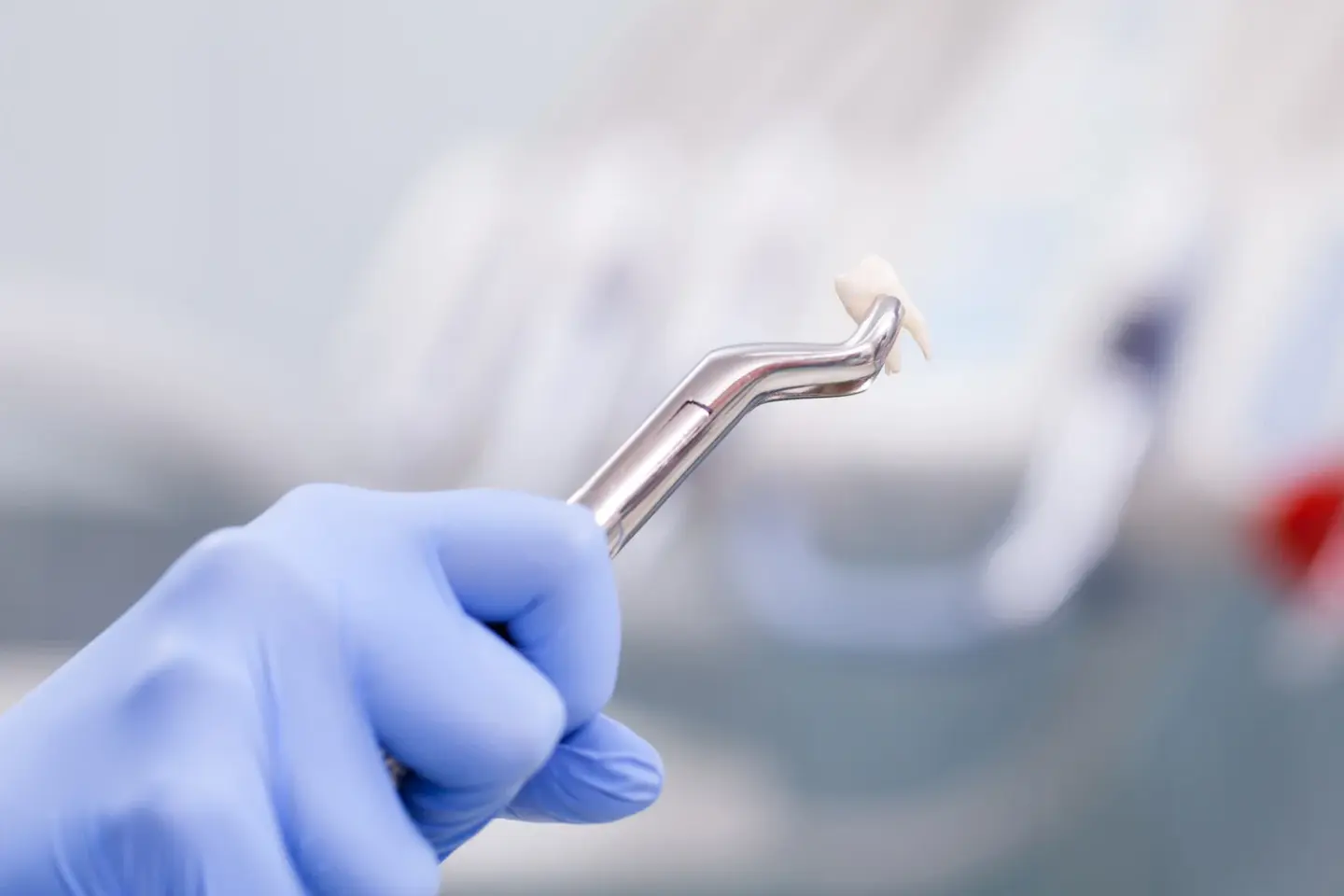
When a tooth is loose, painful, or surrounded by inflamed gum tissue, it is natural to assume the simplest fix is to just have it removed. Fewer teeth, fewer problems, right? Except periodontal disease does not actually work that way. It is a condition affecting the gums and bone supporting all of your teeth, not just the one causing the most noticeable trouble, so removing a single tooth rarely addresses what is actually going on underneath.
That said, tooth extraction in Bronx, NY does have a legitimate place in periodontal treatment in certain situations. The key is understanding the difference between extraction as one part of a broader treatment plan versus extraction as a standalone fix, because those are very different things, and confusing the two can leave the underlying disease process untouched.
Why Periodontal Disease Is Not Limited to a Single Tooth
Periodontal disease starts with bacteria in plaque that irritates the gums, and if it is not addressed, that irritation spreads below the gumline and begins affecting the bone that holds teeth in place. Because this process is driven by bacteria living throughout the mouth, it typically affects multiple teeth and areas of gum tissue at once, even if one tooth happens to show the most obvious symptoms first.
This is really the core issue with the idea that extraction alone cures periodontal disease. Removing the tooth that hurts the most does not remove the bacteria affecting the rest of the mouth, and without addressing that underlying bacterial activity, the disease can continue progressing in other areas even after that one extraction.
When Extraction Actually Makes Sense
There are situations where tooth extraction in Bronx, NY is genuinely the right call within a periodontal treatment plan. If a tooth has lost so much bone support that it is significantly loose or no longer functional, saving it may not be realistic, and removing it can actually help protect the surrounding teeth and bone from further damage. Extraction may also be recommended if a tooth has a deep infection that has not responded to other periodontal treatment, since that infection can continue to affect nearby tissue if left in place.
In these cases, extraction is not treating the periodontal disease itself. It is removing a tooth that has reached a point where it is doing more harm than good, while the periodontal disease in the rest of the mouth is managed through separate, targeted treatment.
What Actually Treats Periodontal Disease
Periodontal disease treatment typically starts with a deep cleaning, known as scaling and root planing, which removes plaque and tartar from below the gumline where a regular cleaning cannot reach. For more advanced cases, additional procedures like gum surgery or bone grafting may be recommended to address damage that has already occurred.
Ongoing maintenance matters just as much as the initial treatment. Periodontal disease tends to be a chronic condition that requires consistent management, including more frequent professional cleanings than someone without gum disease would typically need, along with a solid daily routine of brushing and flossing at home. Tooth extraction in Bronx, NY might be one piece of this picture for a specific tooth, but it does not replace the need for treating the disease process affecting the mouth as a whole.
What Happens to the Rest of Your Mouth After an Extraction
If a tooth is extracted as part of periodontal treatment, the areas around it still need attention. Untreated periodontal disease can continue affecting neighboring teeth, so a dentist will typically recommend continuing periodontal maintenance and monitoring the extraction site as it heals, along with the rest of the mouth.
Depending on the location of the extracted tooth, a dentist may also discuss options like a dental implant or bridge down the line to replace it, particularly if the surrounding teeth need that support to prevent shifting. These decisions are usually made based on the overall condition of the gums and bone, not just the site of the extraction itself.
Signs Periodontal Disease May Be Progressing
Recognizing the signs of periodontal disease early makes a real difference in treatment options. Gums that bleed easily, feel tender, or look red and swollen are often the first indicators. As the condition progresses, other signs can include gums pulling away from the teeth, persistent bad breath, loose teeth, or a change in how the teeth fit together when biting down.
If any of these sound familiar, it is worth having a periodontal evaluation rather than waiting to see if things improve on their own. Catching periodontal disease before it reaches an advanced stage generally means more treatment options are still on the table, including options that do not involve tooth extraction in Bronx, NY at all.
Schedule a Periodontal Evaluation With Dental Smile-Savers
If you are dealing with loose teeth, gum inflammation, or you have been told a tooth may need to come out, it helps to have a full picture of what is happening with your gums before deciding on next steps. Dental Smile-Savers offers periodontal evaluations and tooth extraction in Bronx, NY when it is genuinely the right option, alongside treatment aimed at managing the disease throughout your mouth. Reach out to Dental Smile-Savers today to schedule an appointment and find out what approach makes sense for your situation.
Frequently Asked Questions About Tooth Extraction and Periodontal Disease
Q: Does removing a loose tooth stop periodontal disease from spreading?
A: Not on its own. Periodontal disease is caused by bacteria affecting the gums and bone throughout the mouth, so extracting one tooth does not address the disease process in other areas.
Q: How do I know if my tooth needs to be extracted due to gum disease?
A: A dentist typically evaluates the amount of bone support remaining, how loose the tooth is, and whether it is responding to periodontal treatment before recommending extraction.
Q: What treatment usually comes before extraction is considered?
A: Deep cleaning procedures like scaling and root planing are usually the first step, with extraction considered only if a tooth has progressed too far to be saved through other treatment.
Q: Will I need a replacement tooth after an extraction for periodontal disease?
A: It depends on the location and how it affects your bite and neighboring teeth. Your dentist can discuss options like an implant or bridge based on your specific situation.
Q: Can periodontal disease come back after treatment?
A: Yes, which is why ongoing maintenance and more frequent cleanings are typically recommended for people who have been treated for periodontal disease, even after symptoms improve.
Q: Is periodontal disease reversible?
A: Early-stage gum disease, called gingivitis, is generally reversible with proper treatment and home care. More advanced periodontal disease can be managed and controlled, though some damage to bone and tissue may not fully reverse.
Schedule Your Visit!
*Full Name
*Phone Number
*Comments


LOCATION
2100 Bartow Avenue #218B
Bronx
NY 10475

HOURS
MON to FRI: 9AM - 5PM
SAT: 9AM - 2PM

Striving to offer superior dental care in a welcoming and comfortable ambiance – that's our promise at Dental Smile-Savers.


OVERVIEW
SERVICES
SUPPORT
Privacy Policy | © Dental Smile-Savers | Powered by Remedo