
How Long Does It Take to Recover From a Full Mouth Extraction?
Oct 18, 2026
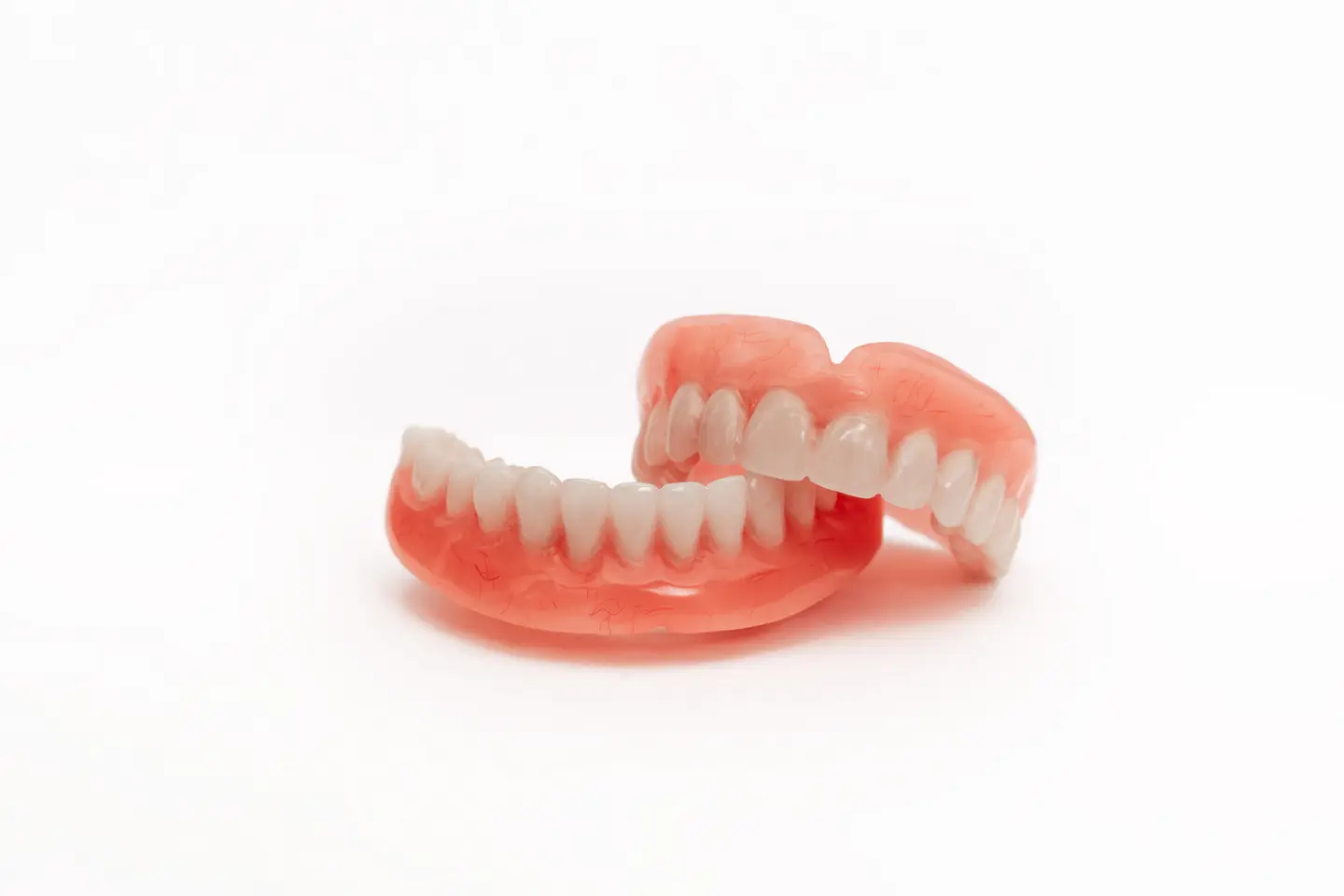
Having all of your teeth removed at once is a bigger step than a single extraction, and it makes sense to want a clear picture of what recovery actually looks like before going into it. The healing process happens in stages, and while the timeline varies from person to person, most patients follow a fairly predictable pattern of improvement over the weeks that follow.
Whether you are preparing for full mouth extraction in Bronx, NY ahead of dentures or implants, or you are just trying to understand what the next few weeks will involve, having a realistic sense of the timeline can make the whole process feel a lot more manageable.
What Happens Immediately After a Full Mouth Extraction
The first 24 to 48 hours are typically the most intense part of recovery. Swelling tends to peak around day two or three before gradually improving, and some bruising around the jaw and cheeks is common, especially if multiple teeth were removed in a single session. Bleeding should taper off significantly within the first day, though a small amount of oozing for a day or two afterward is normal.
Most dentists recommend soft foods, plenty of rest, and avoiding anything that could dislodge the blood clots forming at each extraction site, since those clots are essential to proper healing. This is also when pain is usually at its highest, which is why most patients are given specific guidance on pain management for the first few days following tooth extraction in Bronx, NY.
The First Week of Healing
By the end of the first week, most of the acute discomfort has usually settled down significantly. Swelling continues to decrease, and many patients feel comfortable returning to work or normal daily activities within three to seven days, depending on how many teeth were removed and their individual healing response.
Soft tissue at the extraction sites begins closing over during this period, though the underlying bone is still healing well beneath the surface. Following your dentist's aftercare instructions closely during this stage, including any guidance around rinsing, diet, and oral hygiene near the extraction sites, plays a real role in how smoothly this first week goes.
Two to Four Weeks Out
Somewhere between two and four weeks after full mouth extraction in Bronx, NY, most of the visible healing has progressed considerably. Gum tissue is typically much further along in closing over the extraction sites, and daily activities, including most foods, generally become more comfortable again. Some residual tenderness or mild sensitivity in the gums is still common during this window, particularly with pressure or temperature changes.
This stage is also when many patients begin conversations with their dentist about next steps, whether that means being fitted for dentures, healing time before implant placement, or a combination of both, depending on the treatment plan established beforehand.
One to Three Months and Beyond
Bone healing takes considerably longer than the soft tissue on the surface. While the gums may look and feel healed within a few weeks, the underlying bone can continue remodeling for several months. This matters most if implants are part of the long-term plan, since adequate bone healing and, in some cases, additional bone grafting, is often necessary before implants can be placed successfully.
For patients moving toward dentures rather than implants, the jawbone still needs time to stabilize into its healed shape before a well-fitting denture can be created, which is part of why there is often a waiting period built into treatment plans following tooth extraction in Bronx, NY.
Factors That Influence Your Personal Recovery Timeline
Recovery timelines vary for real reasons, not just individual differences in healing speed. The number of teeth removed and whether any of them required a more involved surgical extraction both affect initial recovery time. Overall health, including conditions like diabetes that can affect healing, and habits like smoking, which is strongly linked to slower healing and a higher risk of complications like dry socket, also play a meaningful role.
Age can factor in as well, since younger patients often heal somewhat more quickly than older adults, though this varies quite a bit from person to person. Following aftercare instructions closely, including avoiding smoking, using straws, or disrupting the extraction sites in the days after tooth extraction in Bronx, NY, tends to make a noticeable difference in how smoothly the healing process goes overall.
Tips for Supporting a Smoother Recovery
A few habits tend to make a real difference during recovery. Sticking to soft, cool foods for the first several days reduces irritation to healing tissue, while gradually reintroducing normal foods helps avoid setbacks. Gentle rinsing with warm salt water, starting a day or two after the procedure as directed by your dentist, can help keep the area clean without disturbing healing tissue.
Avoiding smoking, alcohol, and using straws for at least the first week is generally recommended, since the suction involved can dislodge the blood clot and lead to a painful complication called dry socket. Taking any prescribed or over-the-counter pain medication as directed, rather than waiting until discomfort becomes significant, also tends to keep the first few days more manageable.
Schedule Your Consultation With Dental Smile-Savers
If you are considering full mouth extraction or want to better understand what your specific recovery timeline might look like, a consultation is the best place to start. Dental Smile-Savers provides personalized guidance around tooth extraction in Bronx, NY, along with a clear plan for what comes next, whether that is dentures, implants, or another restorative option. Reach out to Dental Smile-Savers today to schedule a consultation and get answers specific to your situation.
Frequently Asked Questions About Full Mouth Extraction Recovery
Q: How painful is recovery after a full mouth extraction?
A: Discomfort is usually most noticeable in the first two to three days and tends to improve steadily after that. Pain management guidance from your dentist typically keeps this stage manageable for most patients.
Q: When can I eat normal food again after a full mouth extraction?
A: Soft foods are generally recommended for the first week or so, with a gradual return to more normal foods as comfort allows, usually somewhere between two and four weeks depending on individual healing.
Q: How soon can I get dentures after a full mouth extraction?
A: This depends on your treatment plan. Some patients receive immediate dentures right after extraction, while others wait for initial healing before a denture is fitted, which your dentist will discuss based on your specific situation.
Q: Is smoking really that harmful during recovery?
A: Yes. Smoking is closely linked to slower healing and a higher risk of dry socket, a painful complication where the protective blood clot is lost from the extraction site.
Q: How long until I can get dental implants after extraction?
A: Bone healing typically takes several months before implants can be placed, though the exact timeline depends on individual bone health and whether additional grafting is needed.
Q: What are signs that recovery is not going as expected?
A: Increasing pain after the first few days, fever, persistent bleeding, or a bad taste or odor from the extraction site are worth reporting to your dentist promptly rather than waiting to see if they resolve.
Schedule Your Visit!
*Full Name
*Phone Number
*Comments


LOCATION
2100 Bartow Avenue #218B
Bronx
NY 10475

HOURS
MON to FRI: 9AM - 5PM
SAT: 9AM - 2PM

Striving to offer superior dental care in a welcoming and comfortable ambiance – that's our promise at Dental Smile-Savers.


OVERVIEW
SERVICES
SUPPORT
Privacy Policy | © Dental Smile-Savers | Powered by Remedo