
How Long Does Dental Bonding Last
May 05, 2026
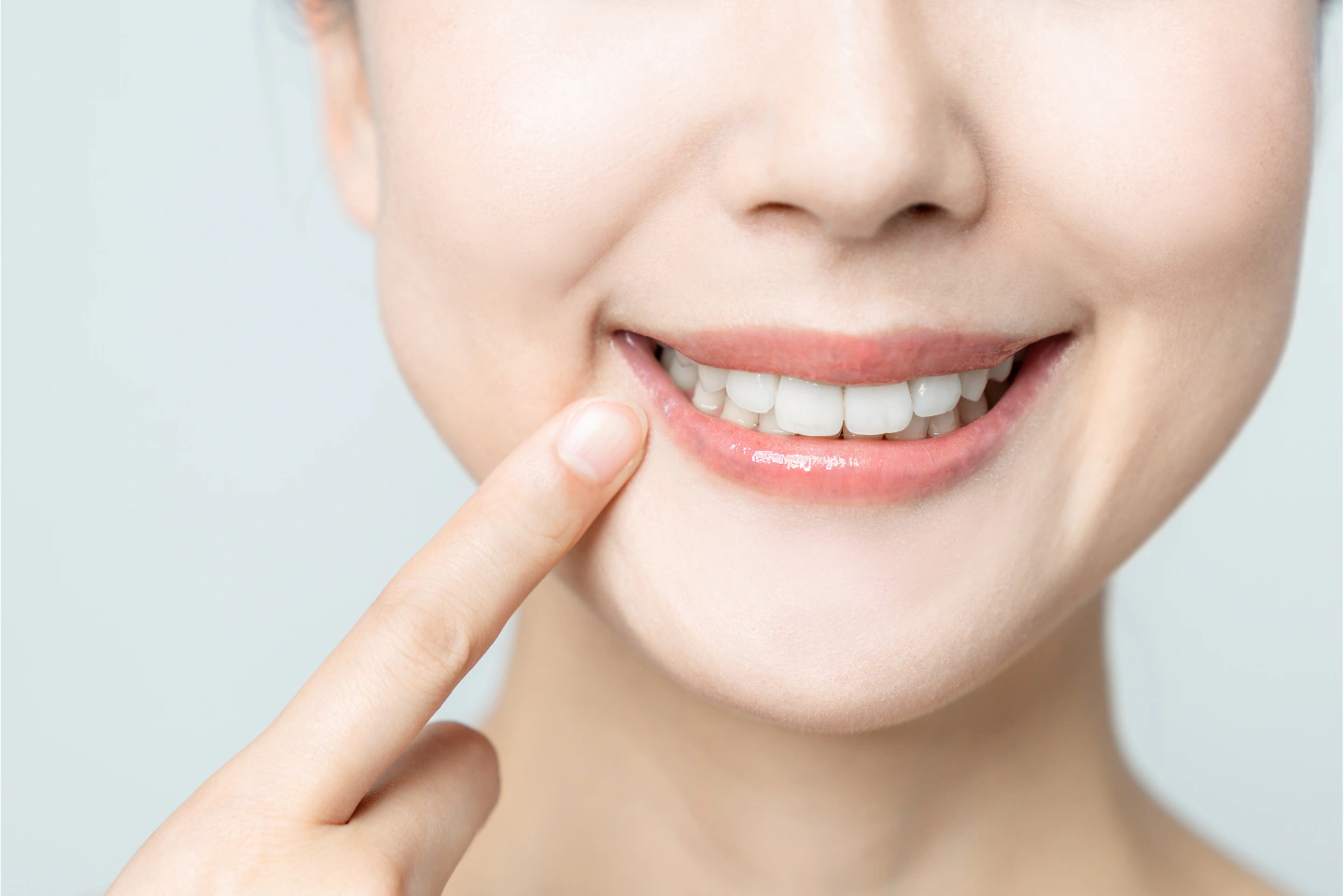
Walking into a room with a confident smile can change your entire day. However, life happens. Perhaps you have a small chip from a rogue popcorn kernel or a gap that has always made you a bit self-conscious. This is where the magic of cosmetic dentistry steps in. Among the many options available, composite resin application stands out as a versatile and affordable hero. These treatments are designed to provide a quick fix that looks remarkably natural. But once you leave the dentist's chair, the big question remains: how long will this transformation actually stay intact?
Typically, you can expect the results to stay vibrant for anywhere from three to ten years. That is a wide window, right? The longevity depends heavily on several factors:
- Placement: Where the material is bonded to the tooth.
- Habits: The daily oral hygiene and lifestyle choices you maintain.
- Practitioner Skill: The precision of the application and curing process.
Understanding the nuances of this treatment helps you set realistic expectations while maximizing every penny spent on your appearance.
Understanding The Durability Of Composite Resin
When we talk about cosmetic bonding, we are referring to the composite resin material that is meticulously sculpted onto your teeth. This material is a mixture of plastic and glass particles, designed to mimic the translucency and strength of natural enamel. While it is incredibly strong, it is not as hard as porcelain or your original tooth structure. This means it is more susceptible to wear and tear over time.
The location of the bonding plays a massive role in its lifespan:
- Biting Edges: If the resin is placed on the biting edge of your front teeth, it faces significant pressure every time you take a bite of an apple or a sandwich.
- Gap Filling: If it is used to fill a small cavity or a gap between teeth where there is less direct impact, it can easily last toward the ten-year mark.
- High-Impact Zones: These areas simply require more caution and more frequent touch-ups than low-impact zones.
Daily Habits That Impact The Lifespan Of Your Cosmetic Bonding
Your lifestyle is the primary architect of how long your dental work remains effective. Think of the resin like a high-quality finish on a piece of furniture. If you treat it gently, it stays glossy and smooth; if you use it roughly, it begins to dull and crack.
- Bruxism: One of the biggest enemies of longevity is teeth grinding. If you clench your jaw at night, the sheer force can cause the composite to chip or pop off entirely. In such cases, wearing a nightguard is non-negotiable for protection.
- Dietary Choices: While natural enamel is fairly resistant to staining, composite resin is more porous. Frequent consumption of red wine, dark coffee, or tobacco products will lead to discoloration over time.
- Stain Management: Unlike natural teeth, bonded areas cannot be whitened with traditional bleaching kits once they stain. If the color shifts significantly, the only way to restore the brightness is to replace the material entirely.
Professional Maintenance And Treatment Longevity
Consistency is key when it comes to oral health. Visiting a dentist every six months allows them to monitor the integrity of the work. During these cleanings, a hygienist can:
- Monitor Integrity: Check for signs of wear, lifting, or marginal failure.
- Professional Polishing: Use specific polishing pastes designed for composite materials to buff out minor scratches and stains.
- Preventative Maintenance: Smooth out small edges that feel rough, preventing a full-blown chip.
Choosing a skilled professional also acts as a safeguard. The application process involves etching the tooth surface with a mild acidic solution to create a strong bond. If this step is rushed or if the area is contaminated by moisture during the process, the bond will be weak from the start. Quality results require a dry environment and a precise curing process with a specialized light.
When Is It Time To Replace Your Composite Bonding?
Even with the best care, no cosmetic treatment lasts forever. You will know it is time for a refresh when you notice visible changes:
- Marginal Lines: The appearance of a dark line at the margin where the resin meets your natural tooth often indicates the seal is beginning to fail.
- Sensitivity: If you feel a sharp edge with your tongue or if the tooth feels sensitive to cold temperatures, the material may have thinned or cracked.
- Aesthetic Decline: Over several years, the resin might lose its luster and look dull compared to the surrounding teeth.
Since your natural enamel may change color over time while the resin stays the same, the match might no longer be perfect. Many patients choose to replace their bonding every five to seven years just to keep their look fresh and seamless. It is a simple, non-invasive process that usually requires no anesthesia.
Frequently Asked Questions About Dental Bonding
Q: Does the bonding process hurt?
A: Not at all. In most cases, the dentist does not even need to remove any tooth structure, so no numbing or anesthesia is required.
Q: Can I whiten my teeth if I have bonding?
A: You can whiten your natural teeth, but the composite resin will not change color. It is often recommended to whiten your teeth before the bonding procedure so the dentist can match the resin to your new, brighter shade.
Q: What should I avoid eating with bonded teeth?
A: Try to avoid:
- Biting directly into very hard foods like ice cubes or hard candy.
- Using your teeth as tools to open packages.
- Biting your fingernails.
Q: Is dental bonding reversible?
A: Yes, because the dentist typically removes little to no enamel, the bonding can be removed or replaced without compromising the underlying health of the tooth.
Q: How much does it cost compared to veneers?
A: Bonding is significantly more affordable than porcelain veneers. While veneers are more durable, bonding provides a cost-effective way to make immediate improvements.
Final Thoughts On Preserving Your Smile
Investing in your confidence is always a wise move. While dental bonding might not have the decades-long lifespan of a porcelain crown, its ease of application and immediate results make it a favorite for many. By treating your teeth with respect, avoiding hard objects, and keeping up with your hygiene appointments at Dental Smile-Savers, you can enjoy the benefits of these dental enhancements for a long time. Your smile is your signature, so give it the care it deserves to keep it shining bright.
Schedule Your Visit!
*Full Name
*Phone Number
*Comments


LOCATION
2100 Bartow Avenue #218B
Bronx
NY 10475

HOURS
MON to FRI: 9AM - 5PM
SAT: 9AM - 2PM

Striving to offer superior dental care in a welcoming and comfortable ambiance – that's our promise at Dental Smile-Savers.


OVERVIEW
SERVICES
SUPPORT
Privacy Policy | © Dental Smile-Savers | Powered by Remedo