
Can a Root Canal Get Infected?
Jul 04, 2026
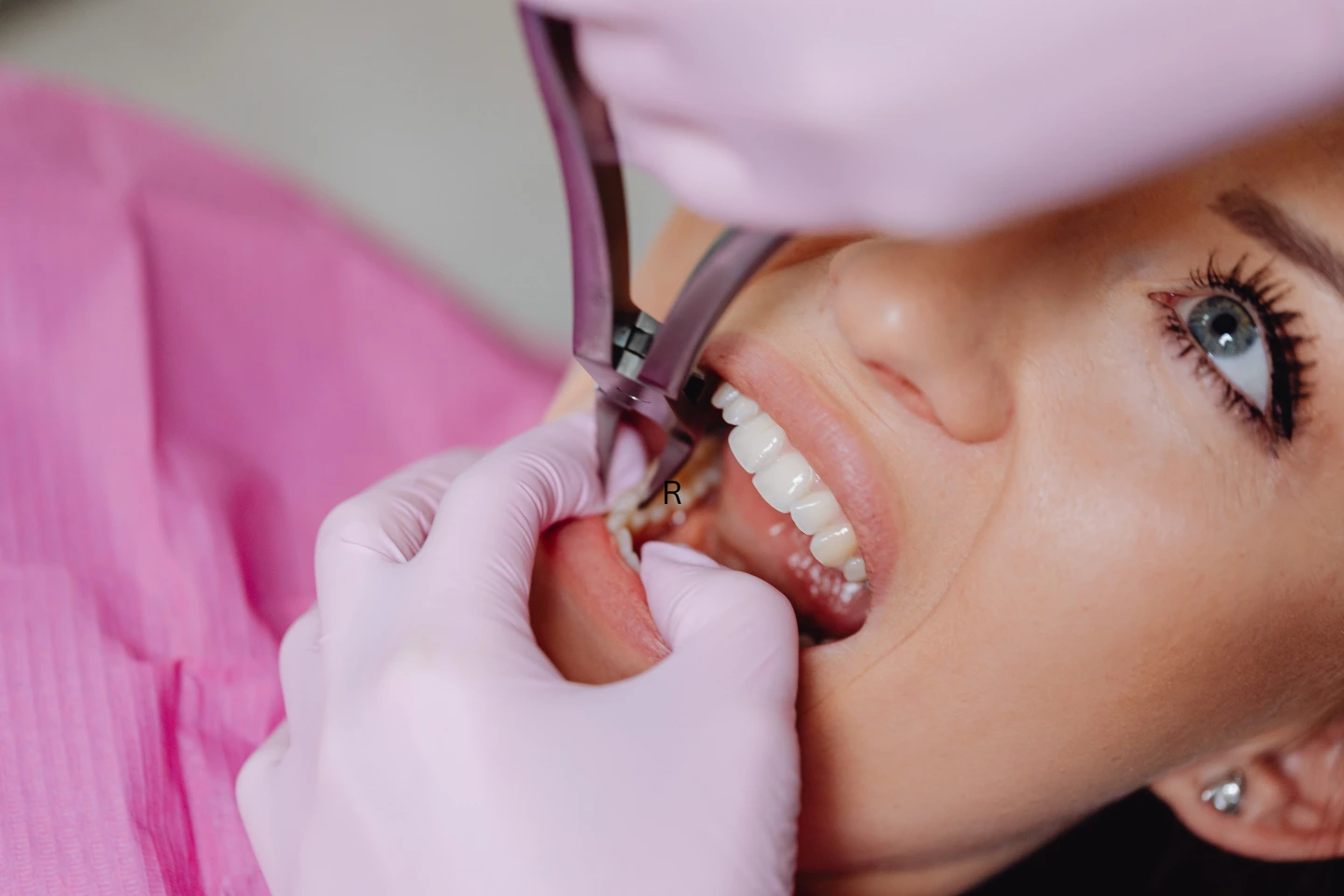
You went through the whole process. The numbing shot, the drilling, maybe a little anxiety in the waiting room beforehand, and finally the relief of having that painful tooth treated with a root canal. So when new pain, swelling, or discomfort shows up weeks, months, or even years later, it is natural to panic a little and wonder if something went wrong. Can a root canal actually get infected after it has already been treated?
The short answer is yes, it can happen, though it is not as common as you might fear. Let us go through why this happens, what the warning signs look like, and what your options are if it happens to you.
What a Root Canal Actually Does
Before getting into the infection part, it helps to understand what a root canal is treating in the first place. When the inner pulp of a tooth becomes infected or inflamed, usually from deep decay, a crack, or trauma, a root canal removes that damaged tissue from inside the tooth. The empty space is then cleaned, disinfected, and filled with a material to seal it off, and a crown is often placed on top to protect what is left of the tooth.
In theory, once that infected tissue is removed and the tooth is sealed, there should be nothing left inside to get infected again. But teeth are complicated, and there are a few ways bacteria can find their way back in.
Why a Treated Tooth Can Become Infected Again
Although root canal treatment has a high success rate, no dental procedure can completely eliminate the possibility of future problems. In most cases, a new infection is not caused by the original treatment failing, but by bacteria finding a way back into the tooth through new decay, damage, or changes that develop over time.
A New Cavity Forms on the Same Tooth
Just because a tooth has had a root canal does not mean it is immune to future decay. If a new cavity develops and is not caught early, bacteria can work their way down toward the area that was previously treated and cause a new infection.
The Seal or Filling Material Breaks Down
Over time, the materials used to seal a treated tooth can wear down, crack, or shrink slightly, especially if a crown was never placed or if the existing restoration is getting old. This can create tiny gaps where bacteria sneak in and start causing trouble again.
Hidden or Missed Canals During the Original Treatment
Teeth, especially molars, often have multiple small canals branching off the main one. If one of these canals was particularly narrow, curved, or hidden and was not fully treated during the original procedure, bacteria can remain trapped inside and cause an infection later on.
A New Crack Develops in the Tooth
Even after a root canal, a tooth can develop a new crack from grinding, chewing on something hard, or general wear over the years. A crack can allow bacteria to reach the inside of the tooth even if the original treatment was done correctly.
The Crown or Restoration Becomes Loose or Damaged
If the crown placed over a treated tooth becomes loose, chipped, or starts to come away from the tooth, it can expose the area underneath to bacteria from saliva and food, eventually leading to a new infection.
Signs Your Root Canal Treated Tooth Might Be Infected
It is not always obvious right away when something is going on beneath the surface, but there are some symptoms worth paying attention to.
Persistent or returning pain in the same tooth is one of the more obvious signs, especially if it feels similar to the discomfort you had before the original treatment. Swelling in the gums near the tooth, a small bump that looks like a pimple on the gum, sensitivity to hot or cold that lingers longer than it should, or tenderness when chewing or biting down can all point to a problem. Some people also notice a bad taste in their mouth or mild swelling in the face near the affected tooth.
If you notice any of these symptoms, it is worth getting it checked out sooner rather than later. Infections do not tend to resolve on their own, and waiting can sometimes make treatment more complicated.
How a Reinfected Root Canal Is Treated
The good news is that even if a previously treated tooth becomes infected again, it can often still be saved. Your dentist will likely take an X-ray to get a clear look at what is happening inside the tooth and around the root.
In many cases, a procedure called root canal retreatment is recommended. This involves reopening the tooth, removing the old filling material, cleaning out the canals again, addressing any areas that may have been missed the first time, and resealing the tooth. It is essentially a second chance to fully clean out the infection and give the tooth a better seal going forward.
In situations where retreatment is not likely to be successful, or if the infection has spread to the surrounding bone, an endodontist might recommend a procedure called an apicoectomy, which involves treating the infection at the very tip of the root through a small surgical approach. This is typically reserved for more complex cases where standard retreatment is not enough.
If the tooth has become too damaged or compromised to save, extraction may eventually become necessary, though dentists generally try to avoid this if there are reasonable alternatives available.
How to Lower the Risk of Reinfection
While there is no way to guarantee a treated tooth will never have problems again, there are some habits that can lower the odds significantly. Getting a crown placed on a root canal-treated tooth, especially a molar, helps protect it from cracking under the pressure of daily chewing.
Keeping up with regular checkups allows your dentist to catch small issues, like a developing cavity or a loose crown, before they turn into bigger problems. Good daily brushing and flossing also go a long way in preventing new decay from forming around the treated tooth in the first place.
Concerned About a Root Canal Treated Tooth? Visit Dental Smile-Savers
If you are dealing with pain, swelling, or any unusual symptoms in a tooth that has already had a root canal, do not just wait and hope it goes away. At Dental Smile-Savers, our team can evaluate the tooth, determine exactly what is going on, and walk you through the best path forward, whether that means retreatment, a referral for specialized care, or another solution entirely.
Reach out to Dental Smile-Savers today to schedule an appointment. We are here to help you protect your smile and address any concerns before they turn into something more serious.
Frequently Asked Questions
Q: Can a tooth get infected years after a root canal?
A: Yes, it is possible. New decay, a cracked tooth, or a damaged crown can all allow bacteria to reach the tooth again, even long after the original treatment.
Q: Is pain after a root canal always a sign of infection?
A: Not necessarily. Some mild soreness is normal for a few days after treatment, but persistent or worsening pain, especially weeks or months later, is worth having checked.
Q: Can a root canal be redone if it gets infected?
A: In many cases, yes. This is called retreatment, and it involves reopening the tooth, cleaning out the canals again, and resealing it to address the infection.
Q: What happens if a retreated root canal does not work?
A: If retreatment is not successful, your dentist may recommend a procedure called an apicoectomy, or in some cases extraction if the tooth cannot reasonably be saved.
Q: Is it normal to feel nervous about needing a second root canal procedure?
A: Completely normal. The good news is that retreatment is generally a well-tolerated procedure, and most patients find it similar to their original root canal experience.
Schedule Your Visit!
*Full Name
*Phone Number
*Comments


LOCATION
2100 Bartow Avenue #218B
Bronx
NY 10475

HOURS
MON to FRI: 9AM - 5PM
SAT: 9AM - 2PM

Striving to offer superior dental care in a welcoming and comfortable ambiance – that's our promise at Dental Smile-Savers.


OVERVIEW
SERVICES
SUPPORT
Privacy Policy | © Dental Smile-Savers | Powered by Remedo